Tree pruning in Ickenham
If you are looking for Tree pruning in Ickenham, you are probably trying to keep your trees healthy, tidy, safe, and suited to the space they grow in. In a place like Ickenham, where established gardens, family homes, front driveways, boundary trees, and commercial premises all sit side by side, proper pruning is not just about appearance. It is about maintaining structure, reducing risk, improving light, and helping trees live well in their setting.
Whether you own a detached property near long residential roads, manage a shop frontage, look after a shared garden, or simply want a large tree to stop crowding your roofline, a careful pruning service can make a real difference. The right approach depends on the species, the season, the condition of the tree, and what you want to achieve. A local team that understands the area can work around access issues, neighbouring gardens, tight side entrances, parking limitations, and the everyday realities of working in Ickenham.
This page explains how tree pruning works, what is included, when it is useful, and why homeowners and businesses in Ickenham often prefer a local arboricultural service. If you are planning routine maintenance or dealing with overgrown branches, book your service now or request a free quote to get the process started.
Why tree pruning matters for Ickenham properties
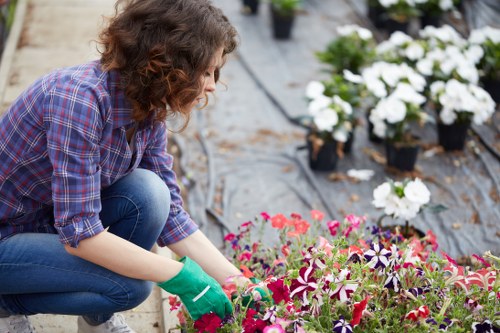
Tree pruning is one of the most valuable maintenance tasks for trees in suburban and semi-urban settings. In Ickenham, many gardens contain mature trees that were planted years ago and have since grown around houses, fences, sheds, patios, garages, and driveways. Over time, branches can begin to crowd windows, shade lawns, rub against walls, or interfere with gutters and overhead lines. Pruning helps bring the tree back into balance without removing its natural character.
Good pruning can also support the long-term health of the tree. Removing dead, damaged, diseased, crossing, or poorly positioned branches gives the tree a better structure and encourages healthier growth. In some cases, pruning is needed to reduce wind resistance, improve airflow through the canopy, or allow more daylight into a garden that feels too enclosed. For property owners in Ickenham, that can mean better use of outdoor space, a tidier appearance, and less ongoing maintenance.
There is also an important safety aspect. A branch that looks harmless in summer may become a concern after a storm, during high winds, or when it starts extending over footpaths, roofs, roads, or neighbouring land. Careful tree pruning in Ickenham helps reduce avoidable hazards and keeps a property more manageable throughout the year.
Local tree pruning for homes and businesses
Ickenham has a mix of property types, and each one brings different pruning needs. Family homes often need crown thinning, crown lifting, or deadwood removal to keep gardens open and practical. Larger houses may have mature specimens that need formative or structural work to preserve shape and control spread. Smaller plots can require selective pruning to stop trees from dominating limited outdoor space.
Commercial customers also benefit from regular tree maintenance. Shops, offices, hospitality venues, schools, letting agents, landlords, and managed properties all rely on safe and presentable outdoor areas. A tree with low hanging limbs, obstructed sightlines, or excessive leaf fall can affect the look and usability of the space. Pruning can improve visibility, keep walkways clear, and help a site look cared for and professional.
Because local conditions vary, the approach should always be tailored. A tree close to a road may need a different reduction strategy than one growing in a sheltered rear garden. A tree beside a paved patio may need selective crown lifting so people can use the space more comfortably. In every case, the aim is to balance tree health, site safety, and customer goals.
What tree pruning can achieve

Tree pruning is a broad term that covers several different techniques. The right method depends on the species, age, shape, and condition of the tree. It also depends on the result you want. Some customers want more light. Others want to control size. Some need clearance from structures, while others want to improve the tree’s form after years of neglected growth.
Common results include improved access, reduced shading, better airflow, a tidier canopy, and less interference with nearby buildings or utilities. In the right hands, pruning should never make a tree look harsh or unnaturally cut back. Instead, it should be thoughtful and proportionate, leaving the tree looking neat while still healthy and well structured.
For local residents, a well-pruned tree can change how a garden feels. A darker, enclosed yard can become brighter. A tangled boundary tree can look more deliberate. A front garden can appear more open and attractive from the street. These are practical improvements as well as visual ones, and they often make daily life easier.
Types of pruning commonly requested
Different trees and different situations call for different pruning methods. When people ask about tree pruning in Ickenham, they are often not looking for one single service but rather the right combination of techniques for their tree and their site. Here are some of the most common approaches.
Crown thinning
Crown thinning removes selected smaller branches throughout the canopy to reduce density while keeping the overall size and shape of the tree largely intact. This can improve light penetration, reduce wind resistance, and help the canopy breathe more naturally. It is often useful for mature trees in residential gardens where the aim is to keep the tree healthy but less heavy-looking.
Crown lifting
Crown lifting removes low branches to increase clearance beneath the canopy. This is often requested where a tree blocks a path, shades a patio too much, or overhangs a driveway or access route. It can be particularly helpful in Ickenham homes with narrow side access, car parking areas, or front gardens that need better visibility and movement.
Crown reduction
Crown reduction reduces the overall height or spread of the tree by cutting back selected branches to suitable growth points. It is useful when a tree has outgrown the space or is beginning to interfere with buildings, fences, or neighbouring gardens. A good reduction should be measured and careful, not severe. The aim is to reduce size while keeping the tree balanced and attractive.
Deadwood removal
Deadwood removal involves taking out dead, dying, or broken branches from the tree. This is important for safety and can also improve appearance. Deadwood may be more likely to fall in windy conditions, so removing it can lower risk around gardens, parking spaces, footpaths, and shared areas.
Selective branch removal
Sometimes the best work is very targeted. A tree may only need branches removed where they cross, rub, arch too close to the house, or create a problem with a fence, shed, or roofline. Selective pruning is especially useful when the tree is otherwise healthy and only a few branches are causing concern.
Formative pruning for younger trees
Younger trees benefit from early shaping. Formative pruning helps encourage a strong framework of branches, reduces the need for major corrective work later, and supports a more stable structure. This is a smart choice for new gardens, newly planted trees, or trees growing on development sites and landscaped commercial grounds.
How our tree pruning service works
A professional pruning job should feel straightforward from the customer’s point of view. You should know what is being done, why it is necessary, and what the outcome will be. A local service in Ickenham usually begins with an assessment of the tree and the site. This helps identify the species, the size, the condition of the canopy, and any constraints such as fences, nearby structures, overhead cables, or limited access.
After the assessment, the pruning approach is chosen to suit your objectives and the tree’s needs. Sometimes the work is best carried out in one visit. In other cases, especially with larger or more complex trees, the job may need to be planned carefully to protect surrounding features and minimise disruption. A well-organised team will also consider waste removal, site protection, and how to leave the area tidy afterwards.
For local customers, one of the biggest advantages of using a nearby team is practicality. A crew that already knows the area can plan around parking, access routes, and garden entry points more efficiently. That matters in Ickenham, where some homes have narrow side passages, shared boundaries, mature planting, or limited space for equipment and arisings.
What is usually included in the service
When arranging tree pruning, it helps to know what should be included so that you can compare services fairly and understand what you are paying for. While each job is different, a reliable local service typically includes the following:
- An initial review of the tree and the work required
- Advice on the most suitable pruning method
- Careful cutting using appropriate arboricultural techniques
- Removal of dead, damaged, or unnecessary branches where agreed
- Collection and clearance of arisings from the pruning work
- Attention to nearby surfaces, planting, fences, and structures
- Cleanup of the immediate work area on completion
Depending on the tree and the site, the service may also include advice on future maintenance, the best timing for follow-up pruning, or whether a more specialist intervention is needed. If you are unsure about what your tree requires, it is usually best to ask for a site visit or an inspection before any work begins.
Why local knowledge matters in Ickenham
There is real value in hiring a team that works regularly in and around Ickenham. Local knowledge is about more than geography. It includes an understanding of the property styles, typical garden sizes, access limitations, common tree species, and the expectations of local customers. In a place with established residential streets and mixed-use locations, that practical experience can save time and reduce hassle.
Many Ickenham properties are not straightforward working areas. Some have tight side access, mature borders, sloped gardens, narrow driveways, or shared rear boundaries. Others sit close to roads where branch removal needs careful planning to avoid unnecessary disruption. A local team is more likely to arrive prepared for these conditions and to choose equipment and methods that suit the site.
Local service is also helpful when customers want a sensible, ongoing relationship. Trees are living things, and pruning is often part of long-term care rather than a one-off event. If you want to manage a mature garden over several years, it helps to work with people who understand how the trees have been shaped, what has already been done, and what the site needs next.
Common reasons people book tree pruning
People contact a pruning service for many different reasons. Some are urgent, while others are part of routine maintenance. In Ickenham, the most common requests often include the following:
- Branches hanging too close to the house or roof
- Reduced light in the garden or inside the home
- Low limbs blocking driveways, paths, or gates
- Dead or broken wood after strong winds
- Overgrown trees affecting neighbours or boundary lines
- Tree crowns becoming too dense or unbalanced
- Improving appearance before selling or letting a property
- Keeping commercial premises neat, safe, and accessible
These are practical concerns that affect day-to-day use of the property. Tree pruning is often the most efficient way to deal with them without resorting to unnecessary removal. When done well, it can restore order while preserving the tree.
What affects the cost of tree pruning?
While exact prices vary, it is useful to understand the factors that influence the cost of a pruning job. This helps you compare quotes fairly and avoid surprises. The main factors usually include tree size, tree species, the amount of work required, access to the site, whether specialist equipment is needed, and how much waste will need to be removed.
A small ornamental tree in an open front garden may be quicker to prune than a mature tree in a back garden with narrow access and limited space for equipment. Trees near buildings, fences, driveways, or parked vehicles may also require more careful handling. If the tree has been neglected for years, or if there are safety concerns such as deadwood or storm damage, the work may take longer and need a more considered approach.
It is also important to remember that quality matters. The cheapest option is not always the best if it means rushed cuts, poor shaping, or avoidable damage to the tree. A sensible quote should reflect the skill, time, and care needed to carry out the work properly.
How to prepare for a pruning visit
Good preparation helps the visit run smoothly and can make the work faster and safer. If you are arranging tree pruning in Ickenham, a little planning beforehand is often worthwhile. You do not need to do everything yourself, but the following steps can help:
- Make sure the team can access the garden or side entrance.
- Move cars, wheelie bins, bikes, and fragile items where possible.
- Keep pets and children away from the working area.
- Point out any boundaries, underground features, or sensitive plants.
- Let the team know if branches are close to sheds, fences, or cables.
- Discuss what you want to keep, reduce, or clear before work begins.
These simple steps help avoid confusion on the day and make it easier to achieve the result you want. If access is difficult, mention it early. That is especially relevant for many local properties where the working area is not visible from the front or where equipment needs to be carried through the house or along a narrow passage.
When is the best time to prune trees?
The best time to prune depends on the species, the reason for the work, and the tree’s condition. Some trees are best pruned during dormancy, while others can be managed at different times of year without issue. In some situations, seasonal timing matters because of flowering, fruiting, nesting birds, or sap flow. This is why it helps to ask for advice rather than assuming every tree should be pruned in the same way.
For many homeowners, timing is also about convenience. You may want pruning before summer so the garden gets more light, or after leaf fall when the canopy is easier to assess. Commercial premises may prefer quieter working periods or times that reduce disruption to customers and staff. A local professional can help suggest a sensible window for the work based on your goals.
If you have a tree that is causing an immediate issue, such as a broken branch or unsafe overhang, do not wait for the perfect season. Safety comes first, and urgent pruning may be the right response.
Why careful pruning is better than heavy cutting
Tree pruning should improve a tree, not damage it. Heavy-handed cutting can leave the tree looking unnatural and can create new problems, including weak regrowth, stress, or larger wounds than necessary. Careful pruning uses appropriate cut points and removes only what is needed to achieve the desired result.
This matters because different trees respond differently. Some species are tolerant of selective pruning, while others need a lighter touch. If a tree is cut back too severely, it may respond with dense regrowth that becomes harder to manage later. That is why local experience, sound judgement, and an understanding of tree biology are so important.
Customers in Ickenham often want the tree to look neat but still natural. A considered prune can do exactly that. It can improve balance, reduce nuisance, and preserve the character of the planting at the same time.
Areas covered around Ickenham
Tree pruning services in Ickenham often extend to nearby residential streets, neighbouring districts, and surrounding parts of west London and the local borough area. Customers in nearby neighbourhoods may also need help with mature garden trees, hedge-adjacent branches, boundary maintenance, and site clearance after pruning.
If you manage properties, it can be convenient to use one local provider for several sites in the surrounding area. That may include houses, flats, communal gardens, commercial units, and landlord-managed outdoor spaces. A nearby team can often schedule work more flexibly and reduce travel-related delays.
If you are not sure whether your property falls within the usual service area, the simplest approach is to enquire and ask whether the location can be covered. A local business is often better placed to respond quickly and to understand the local road layout and access conditions.
Frequently asked questions
Do I need permission to prune my tree?
That depends on the tree and the location. Some trees may be protected by a Tree Preservation Order or may sit within a conservation area. If that applies, checks may be needed before work begins. A professional tree service should be able to advise on the practical steps required and whether any permissions or notifications are necessary.
Will pruning harm my tree?
When done correctly, pruning should support the tree rather than harm it. Problems usually arise from poor technique, excessive cutting, or work that ignores the species and condition of the tree. Careful, selective pruning is designed to improve structure and reduce risk while keeping the tree healthy.
Can pruning improve the amount of light in my garden?
Yes, in many cases it can. Crown thinning, lifting, or reduction can all improve light levels depending on the tree and the layout of your garden. If your outdoor space feels dark or enclosed, pruning may help make it feel more open and usable.
What happens to the branches after the work?
That should be agreed before the job starts. Most customers want the prunings removed and the area tidied afterwards. A good local service will explain what is included so you know what to expect.
Can you prune trees near buildings or fences?
Yes, but those jobs require extra care. Trees close to structures often need selective pruning and a tidy working method to avoid damage. If access is tight, that should be considered during the planning stage so the work can be carried out safely.
Is tree pruning suitable for commercial sites?
Absolutely. Commercial customers often need pruning for safety, presentation, visibility, and maintenance of outdoor spaces. It is especially useful where trees affect entrances, parking areas, footpaths, or customer-facing areas.
Why choose a local company for tree pruning in Ickenham
Choosing a local company has practical benefits. You are more likely to get a team that understands local access issues, can respond efficiently, and knows how to work respectfully around neighbouring homes and businesses. In a community like Ickenham, that local awareness matters.
A local team is also more likely to appreciate the types of properties and gardens common in the area, from older homes with mature specimens to newer developments with carefully planned planting. That means advice is more likely to be realistic, work methods more likely to suit the site, and the final result more likely to match your expectations.
When you are ready to move forward, contact us today to discuss the work, ask questions, and arrange the next step. If you have a tree that needs tidying, lightening, reshaping, or making safer, a local pruning service can help you choose the right approach.
Choose a pruning service that puts your tree first
Good tree care should feel balanced, practical, and honest. It should respect the tree, the property, and the people who use the space. Whether you need a light seasonal tidy, a more substantial reduction, deadwood removal, or a carefully planned adjustment to improve clearance, the aim is always the same: keep the tree in better condition for the long term.
In Ickenham, that means working with the reality of local gardens and local access conditions, not applying a one-size-fits-all approach. It means understanding how to help trees fit comfortably around homes, driveways, gardens, commercial frontages, and shared spaces. And it means delivering work that leaves the site cleaner, safer, and easier to manage.
If your tree has become too large, too dense, or simply in need of expert attention, request a free quote and take the first step toward a safer, tidier, and more attractive outdoor space. Book your service now and arrange tree pruning in Ickenham with a team that understands local needs.
Quick checklist before booking
Use this simple list to think through your needs before you enquire:
- What tree or trees need attention?
- Is the main issue light, safety, shape, or clearance?
- Is the work for a home, business, or managed property?
- Are there access restrictions, parking issues, or tight boundaries?
- Do you need routine pruning or a one-off corrective visit?
- Would you like waste removed after the work?
Final note for local customers
Tree pruning is most effective when it is planned with care. If you live or work in Ickenham and want a local, practical approach to managing your trees, getting advice early can save time and help avoid bigger problems later. From small residential trees to larger mature canopies, the right pruning can make your property more pleasant, more manageable, and safer to use.